Wondering how to sell your Vancouver home without second-guessing every step? That feeling is common, especially in a market that still favors sellers but can punish sloppy pricing and rushed preparation. If you want a smoother sale, stronger buyer interest, and fewer surprises at closing, the right plan matters from day one. Let’s dive in.
Understand Vancouver market conditions
Vancouver remains a competitive market, but that does not mean every home will sell quickly at any price. Recent market data shows homes receiving about two offers on average, selling in roughly 20 days in one tracker, while another reports a 44-day median time on market. Those differences reflect different methods and timeframes, but the bigger message is clear: demand is still solid, and strategy still matters.
Pricing also needs context. One source reports a median sale price of $489,707 for the three months ending May 2026, while another reports a June 2026 median listing price of $565,000 and a median sold price of $530,000. That gap is a reminder that list price and final sale price are not the same thing, and neighborhood-level data should guide your launch.
In Vancouver, micro-markets can vary quite a bit. Reported neighborhood medians range from about $469,995 in Ellsworth Springs to $655,000 in Mill Plain. If you want to sell with confidence, citywide averages are helpful, but they should never be your final pricing strategy.
Price your home with precision
A strong market can tempt sellers to aim high, but the numbers suggest a more balanced approach. About 34.4% of homes sold above list price, yet 35.8% had price drops. That tells you buyers are active, but they are also selective.
A realistic launch price helps you protect momentum in the first days on market. If you price too high, you may miss the wave of early attention and end up adjusting later. If you price with neighborhood comps and current buyer expectations in mind, you give yourself a better shot at a clean, competitive launch.
This is where local guidance matters most. Vancouver is not one uniform market, and buyer response can change from one area to the next. A pricing plan should reflect your home’s condition, updates, lot, layout, and nearby comparable sales.
Prepare before you list
Confidence usually starts before the listing goes live. A well-prepared home is easier for buyers to understand, easier to market, and often easier to negotiate. Even in a seller-friendly market, preparation can reduce friction later.
A pre-sale inspection is not required, but it can help you spot issues early. If your roof, HVAC system, or appliances may raise questions, it helps to know that before a buyer does. You may decide to repair certain items, disclose them clearly, or price around them, but either way, you are making decisions from a place of information.
Simple improvements still carry weight. Decluttering, deep cleaning, paint touch-ups, landscaping, and minor repairs are widely recommended because they improve how the home shows both online and in person. These are not flashy upgrades, but they can make a meaningful difference in buyer perception.
It also helps to gather warranties, guarantees, and manuals for systems and appliances that will stay with the home. That kind of organization supports a smoother transaction once you are under contract. Small details like this can make the entire process feel more manageable.
Staging helps buyers connect
Staging is not just about making a home look pretty. It helps buyers picture how the space functions and feels. That matters because buyers often make fast judgments, especially when they are comparing multiple homes in the same price range.
Recent staging research found that 83% of buyers’ agents said staging makes it easier for a buyer to visualize the property as a future home. It also found that 29% of agents said staging led to a 1% to 10% increase in the dollar value offered. Nearly half of sellers’ agents said staging reduced time on market.
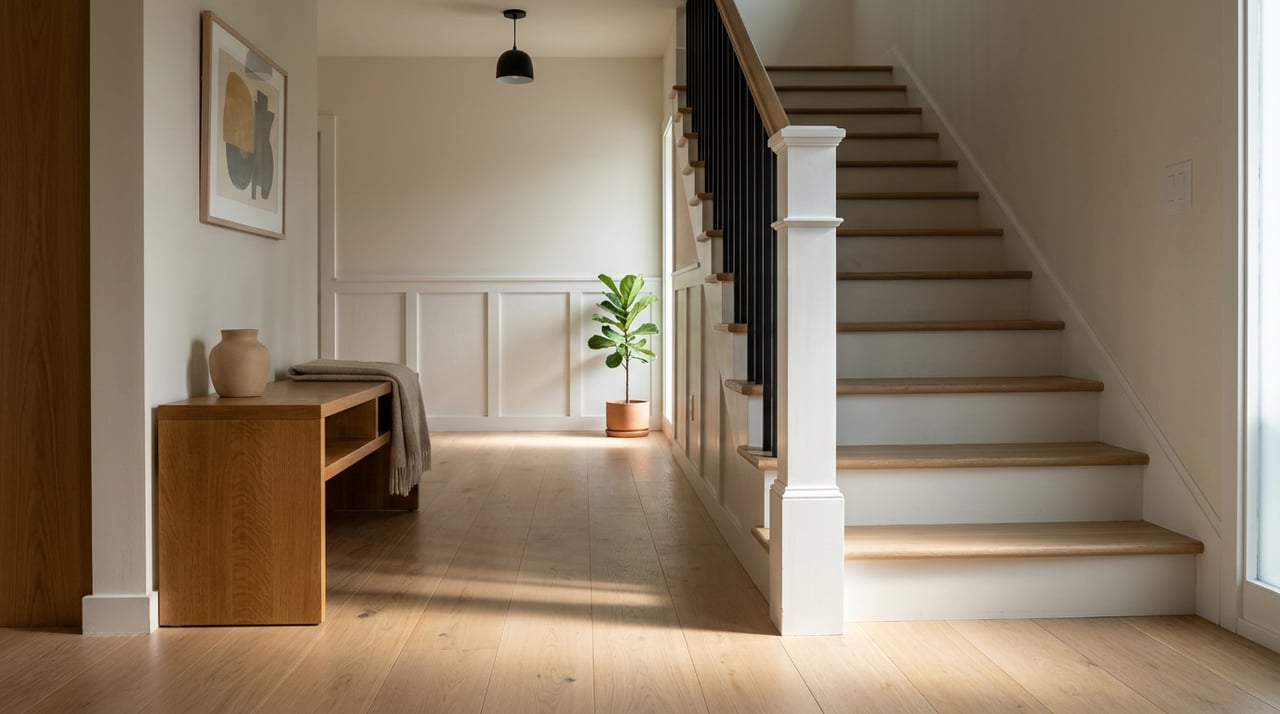
That does not mean every Vancouver listing needs a full furniture overhaul. Sometimes the biggest wins come from editing the space, improving flow, and highlighting natural light and scale. The goal is to help buyers focus on the home itself, not on distractions.
Make your launch photo-ready
Your first showing is often digital. Buyers usually see your listing photos before they ever decide to schedule a visit, which means your launch quality matters. In a market where homes move quickly, the online presentation can shape whether buyers act fast or scroll past.
Listing professionals ranked photos as the most important listing asset, with 88% naming them as a top priority. Videos and staging also ranked highly, which supports the same basic idea: polished visual marketing is not optional in a competitive market. It is part of how you create urgency and trust.
Before photography, focus on lighting, cleaning, decluttering, and simple styling. Open the space, remove visual noise, and make sure the home feels calm and cared for. When buyers see a home that looks move-in ready online, they are more likely to book the showing.
Time your sale thoughtfully
No one can promise the perfect listing date, but timing still matters. National 2026 analysis points to late April as a strong listing window, while West Coast examples place Seattle and Portland in late March. For Vancouver, that supports a spring launch strategy, though it should be treated as a helpful pattern rather than a fixed rule.
The practical takeaway is simple. If you are thinking about a spring sale, start preparing earlier than you think. That gives you time for repairs, staging, photography, and pricing strategy before competing inventory builds.
Of course, the best time to sell also depends on your goals. If you need to coordinate a purchase, relocation, or downsize timeline, the right launch date should support your bigger plan, not just the calendar.
Review offers beyond price alone
When offers come in, the highest price is not always the strongest offer. In Vancouver, offer packages commonly include price, preferred closing date, and contingencies tied to financing, appraisal, and inspections. In a competitive market, some buyers may also try to reduce contingencies.
That means you should look at the full picture. A slightly lower offer with fewer hurdles, a better timeline, or stronger financing can sometimes be the more reliable choice. Certainty matters, especially if you are trying to plan your next move.
A calm review process helps you compare terms clearly. Instead of reacting to the headline number alone, look at how likely each buyer is to reach closing with minimal disruption. That is often where confidence comes from during negotiations.
Know Washington disclosure rules
If you are selling in Vancouver, Washington disclosure requirements are an important part of the process. Under Washington law, a residential disclosure statement must be delivered no later than five business days after mutual acceptance unless it is waived or the sale is exempt. After receiving it, the buyer has three business days to rescind.
If you learn new information before closing that makes the disclosure inaccurate, you generally need to amend it unless the issue is corrected at least three business days before closing. This is one reason it helps to understand your home’s condition early. Surprises become much harder to manage once a transaction is underway.
If your home was built before 1978, federal lead-based paint disclosure rules also apply. Sellers must disclose known lead-based paint or hazards, provide the required EPA pamphlet, and give buyers a 10-day opportunity for an inspection or risk assessment unless that right is waived.
Plan for seller closing costs
Seller confidence also means understanding your net proceeds before you accept an offer. In Vancouver, one cost to plan for is Washington real estate excise tax, or REET. The state portion is graduated based on sale price, and Vancouver also has a local REET rate of 0.50%.
Clark County notes that REET is due within 30 days of sale, and the deed will not record until the tax and the $5 processing fee are paid. Using current rates, a $565,000 Vancouver sale would result in about $9,112 in REET before the $5 fee. That is a meaningful number, so it should be included in your seller net sheet from the start.
Knowing your likely costs ahead of time helps you make better decisions about pricing, repairs, concessions, and your next purchase. It also helps reduce stress once offers are on the table.
Sell with a calm, prepared strategy
Selling a home in Vancouver with confidence is not about guessing what buyers want or hoping the market does all the work. It is about preparing well, pricing carefully, presenting the home beautifully, and understanding the terms and costs that shape your outcome. In a market that is still seller-friendly but not automatic, that kind of preparation can make a real difference.
If you want a polished plan, clear communication, and thoughtful guidance from listing prep through negotiation, Kristen Anzellotti is here to help you move forward with confidence.
FAQs
What is the Vancouver, WA housing market like for home sellers?
- Vancouver is still considered seller-friendly, with competitive conditions, about two offers on average in one recent tracker, and strong sale-to-list performance, but pricing and presentation still matter.
How should you price a home in Vancouver, WA?
- You should use recent neighborhood-level comparable sales, your home’s condition, and current buyer demand rather than relying only on citywide averages.
Should you get a pre-sale inspection before selling a Vancouver home?
- A pre-sale inspection is not required, but it can help you identify issues early and decide whether to repair them, disclose them, or reflect them in pricing.
Does staging help when selling a home in Vancouver?
- Yes. Research shows staging helps buyers visualize the home, may improve the dollar value offered, and can reduce time on market.
What disclosures are required when selling a home in Vancouver, Washington?
- Washington sellers typically must provide a residential disclosure statement after mutual acceptance unless waived or exempt, and homes built before 1978 may also require lead-based paint disclosures.
What is REET when selling a home in Vancouver, WA?
- REET is Washington’s real estate excise tax, and Vancouver sellers should include both the graduated state rate and the local 0.50% rate in their estimated closing costs.